Change Your Home: The Ultimate Overview to Concrete Leveling for a Flawless Complete
Concrete surfaces can wear away in time, bring about disproportion that affects both safety and security and looks. Homeowners may notice cracks, dips, or slopes that jeopardize performance. Understanding the causes and indicators of these concerns is crucial. Various approaches exist for leveling concrete, each with its own collection of methods and materials. Concrete Leveling Des Moines. When to take on the work on your own or call in a specialist can make all the distinction, understanding. The journey to a flawless surface begins here
Recognizing the Causes of Unequal Concrete Surfaces
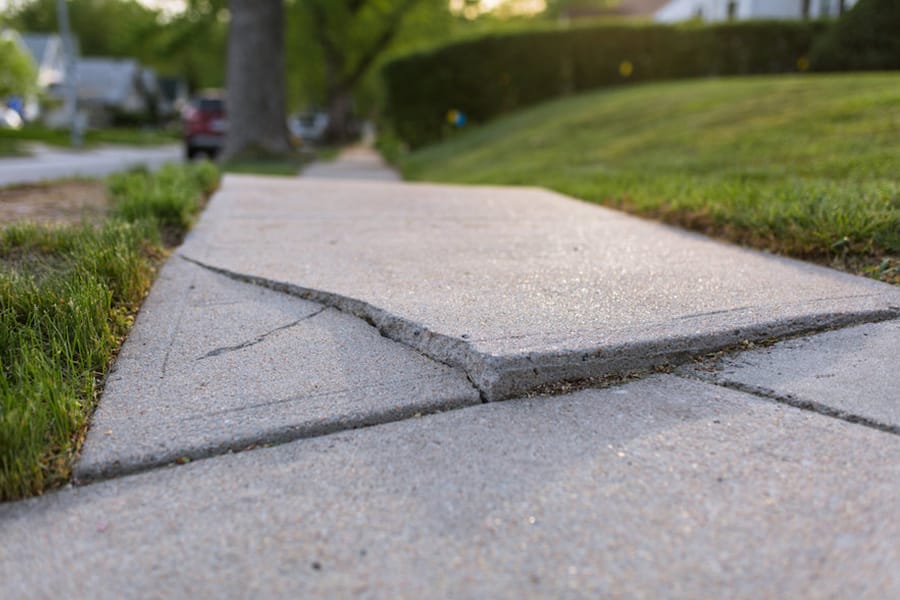
Although concrete is renowned for its durability, various elements can lead to unequal surface areas in time. One primary reason is soil movement, which may result from fluctuations in moisture degrees or bad compaction during installment. As the ground shifts, it can produce voids below the concrete, leading to settling. In addition, freeze-thaw cycles can intensify this problem, as water caught within splits expands when frozen, creating further surface area interruption. Heavy tons and vibrations from cars or equipment can additionally contribute to surface area abnormalities. Moreover, incorrect water drainage can cause water pooling and erosion, threatening the concrete's integrity. Ultimately, comprehending these reasons is crucial for house owners seeking to keep their concrete surface areas and assure durable security.
Signs That Your Concrete Demands Leveling
Recognizing the indications that concrete needs leveling is crucial for maintaining the stability of surface areas influenced by underlying issues. House owners should be attentive for noticeable cracks in the concrete, as these may show shifting or working out. Additionally, the existence of irregular surface areas or noticeable dips can bring about dangerous tripping risks. Water merging in particular locations throughout rainfall can additionally signal incorrect incline and drainage issues. Other warning indications include problem opening up home windows or doors, which might come to be misaligned as a result of concrete changes. Ultimately, if the garage flooring shows up unequal or if there are spaces between the concrete and adjoining structures, it's necessary to review specialist analysis to attend to these prospective issues immediately.
Different Approaches of Concrete Leveling
Concrete leveling can be attained with various methods, each with its very own benefits. Mudjacking and polyjacking are two preferred methods that differ in their products and application procedures. Furthermore, self-leveling compounds supply an uncomplicated service for minor imperfections in concrete surfaces.
Polyjacking vs. mudjacking
Often, homeowners encounter the difficulty of uneven concrete surface areas, triggering them to consider efficient leveling techniques. 2 prominent techniques are polyjacking and mudjacking. Mudjacking involves infusing a cement-based mix beneath the piece to raise it, making it a reliable, affordable solution. Nevertheless, it can be heavy and may take longer to completely dry. On the other hand, polyjacking utilizes polyurethane foam, which is lighter and broadens upon shot, offering an extra efficient lift. This approach cures swiftly, minimizing downtime and disturbance. While mudjacking may be appropriate for bigger projects, polyjacking is commonly favored for its speed and lowered weight. Ultimately, the option in between these methods relies on specific job demands, budget considerations, and the wanted long life of the repair.
Self-Leveling Compounds Clarified
A variety of self-leveling compounds are offered to address unequal concrete surfaces, providing homeowners with effective options for accomplishing a smooth coating. These compounds are commonly made from a mixture of cement, polymers, and accumulations, permitting simple application and quick healing. When poured onto the surface, they stream and clear up into low areas, developing a degree aircraft.
Products Utilized in Concrete Leveling
Effective concrete leveling counts on a variety of customized products developed to enhance stability and durability. Amongst these, self-leveling substances are typically made use of, providing a smooth surface area by filling up low places and producing an even coating. Furthermore, polymer-modified mortars offer raised bond and flexibility, making them ideal for different substrates. Foam and mud jacking products, such as polyurethane, are frequently employed for increasing settled concrete slabs, making sure lasting assistance. Split fillers and sealants play a crucial function in addressing surface area imperfections and stopping future damages. Finally, supports like steel rebar or cord mesh can be integrated to boost structural stability. With each other, these products add to efficient and reliable concrete leveling remedies.
DIY Concrete Leveling: Step-by-Step Guide
In the domain of do it yourself concrete leveling, recognizing the necessary tools is important for an effective task. The process includes a clear detailed application that ensures a smooth and also surface area. This overview will certainly lay out both the important tools and the organized approach required for effective concrete leveling.
Tools Required for Leveling
Step-by-Step Application Process
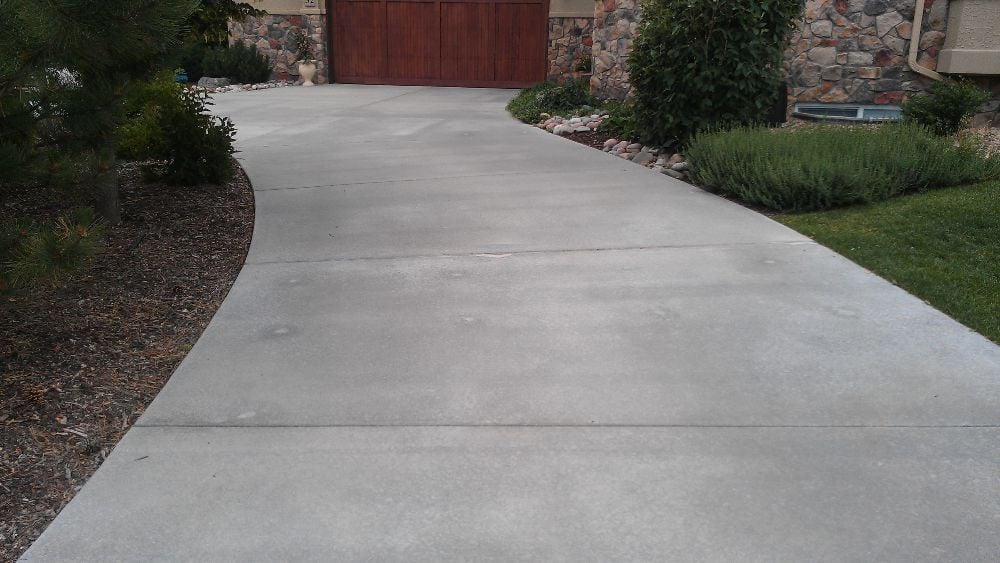
A successful concrete leveling project entails a number of clear and methodical actions that assure a balanced surface. The area should be extensively cleaned up to get rid of any type of particles or loose product. Next off, any type of substantial fractures need to be repaired to identify a smooth base. After preparing the surface, the leveling compound is combined according to the manufacturer's directions. The mixture is then put onto the uneven areas, beginning from the least expensive factor. Utilizing a trowel or a progressing device, the substance is spread uniformly over the surface area. Once applied, it is necessary to enable ample drying time as defined in the standards. Ultimately, the newly leveled surface area can be completed with paint or sealant for included security and looks.
When to Work with an Expert
Concrete leveling can be a complicated task that commonly calls for an expert's know-how. Property owners need to take into consideration working with an expert when the concrete problems are substantial, such as significant fractures, large sunken areas, or when the concrete spans a large surface. Furthermore, if the job involves specialized equipment or materials, a professional's experience can ensure proper application and safety. Those lacking the time or understanding to execute the leveling process properly may additionally gain from specialist assistance. If the work requires adherence to local building codes or licenses, specialists can navigate these guidelines with convenience. Eventually, spending in a specialist can conserve time, lower stress and anxiety, and bring about an extra long lasting, top quality finish.
Maintaining Your Concrete After Leveling
Correct upkeep of leveled concrete is necessary to guarantee its long life and toughness. After leveling, it is vital to permit the concrete to heal effectively, normally for at the very least 28 days, to attain peak toughness. Routine cleaning is suggested; using a broom or a stress washer can get rid of debris and stop staining. Furthermore, using a sealant every number of years aids secure versus dampness and chemicals that can trigger damage. Homeowners should likewise inspect for fractures or unevenness regularly, as very early discovery can stop additional issues. Preventing heavy tons or sharp impacts on the surface will help maintain its stability, making sure that the leveled concrete remains a practical and lovely component of the home for years to come.
Often Asked Questions
The Length Of Time Does Concrete Leveling Last Prior To Requiring Re-Treatment?
Concrete leveling usually lasts between 5 to 10 years, depending on variables such more helpful hints as weather, usage, and the quality of products made use of. Routine maintenance can expand its life expectancy and maintain a smooth surface area.
Can I Walk on the Leveled Surface Area Quickly After Therapy?
Instantly after therapy, it is normally recommended not to stroll on the leveled surface area - Concrete Leveling. Enabling adequate healing time assurances perfect outcomes and stops damage, typically advised to wait a minimum of 24 hours prior to any foot website traffic
What Is the Cost Array for Professional Concrete Leveling Solutions?
The cost variety for professional concrete leveling services typically falls in between $3 and $25 per square foot, depending on aspects such as the extent of leveling needed, the approach used, and local pricing differences.
Is Concrete Leveling Safe for Pet Dogs and Children?
Once the location has actually fully treated, concrete leveling is generally risk-free for children and family pets (Poly Lifting). However, it's a good idea to maintain them away during the leveling process to stop crashes and guarantee a smooth, hazard-free atmosphere later

Does Weather Affect the Concrete Leveling Process?
Yes, weather substantially affects the concrete leveling process. Extreme temperatures, moisture, and rainfall can influence healing times and the top quality of the ended up surface area, making it necessary to think about weather prior to starting the project.
Recognizing the signs that concrete requirements leveling is important for keeping the stability of surfaces affected by underlying issues. Regularly, house owners face the difficulty of uneven concrete surfaces, motivating them to ponder reliable leveling techniques. Poly Lifting Iowa. When embarking on concrete leveling, having the right devices is necessary for accomplishing a smooth and even surface. An effective concrete leveling job includes several clear and systematic actions that ensure a balanced surface area. House owners must consider hiring a specialist when the concrete problems are comprehensive, such as substantial fractures, big sunken locations, or when the concrete periods a large surface area